What Actually Happens During Reading Time in My Classroom
For years, parents asked if their child could switch into my class. Not for math. Not for science. For reading time.
I always told them the same thing. There was no trick. I just built reading time around four things, and once those four things were in place, kids stopped seeing reading as a subject and started seeing it as the best part of their day. I want to walk you through what those four things actually look like, because I think most classrooms are only using one or two of them, and that gap is usually the whole story.
Start With Listening
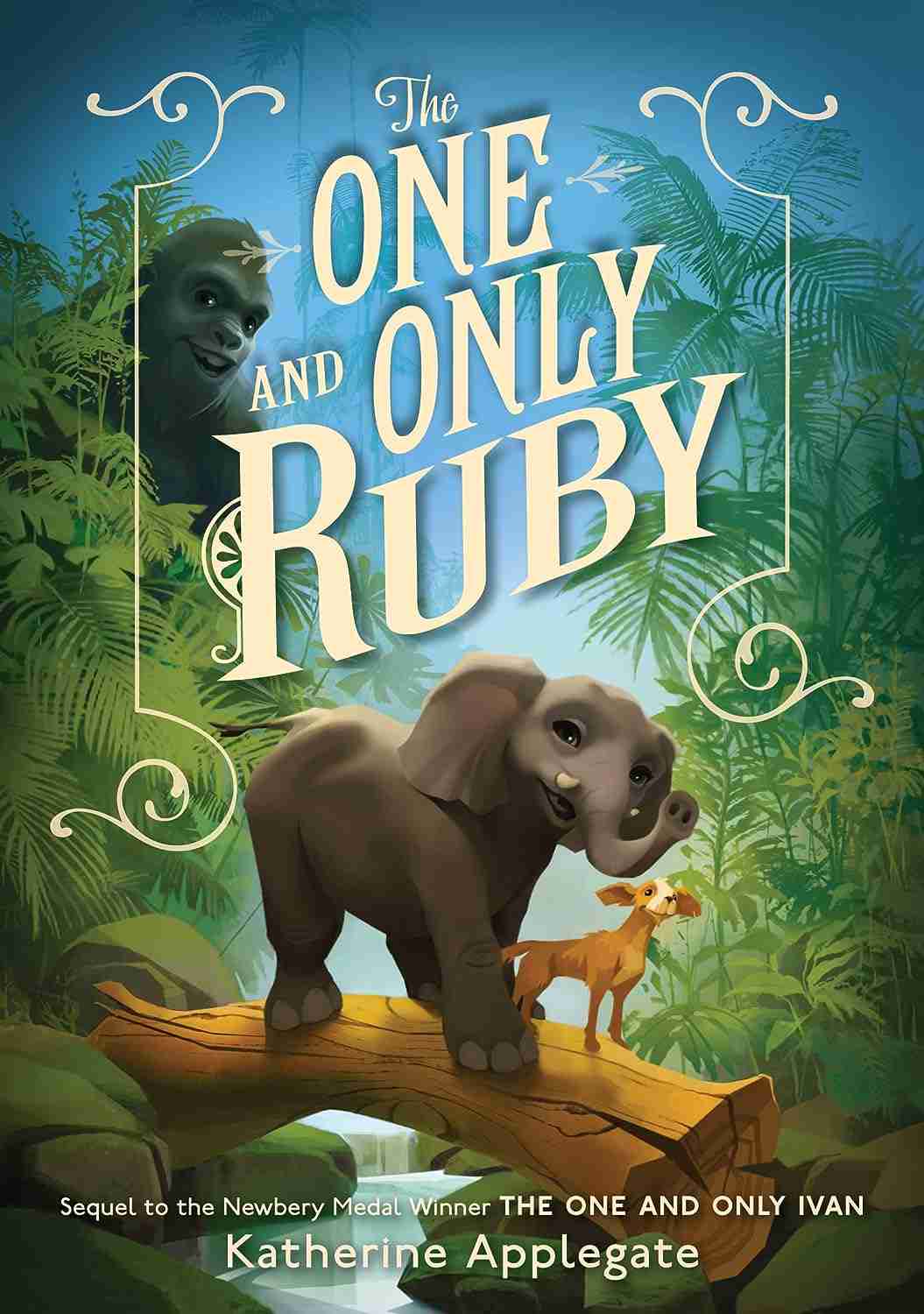
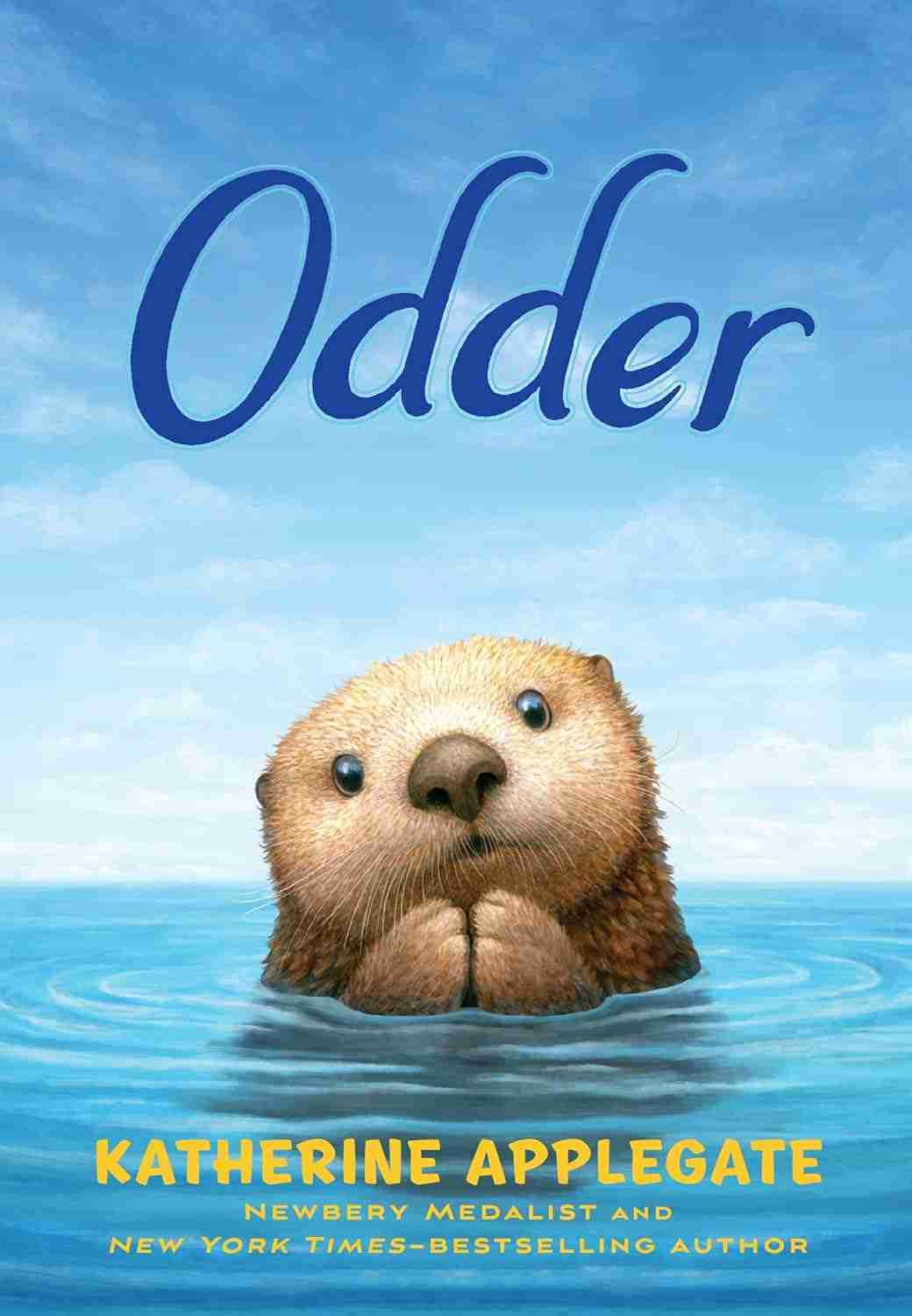
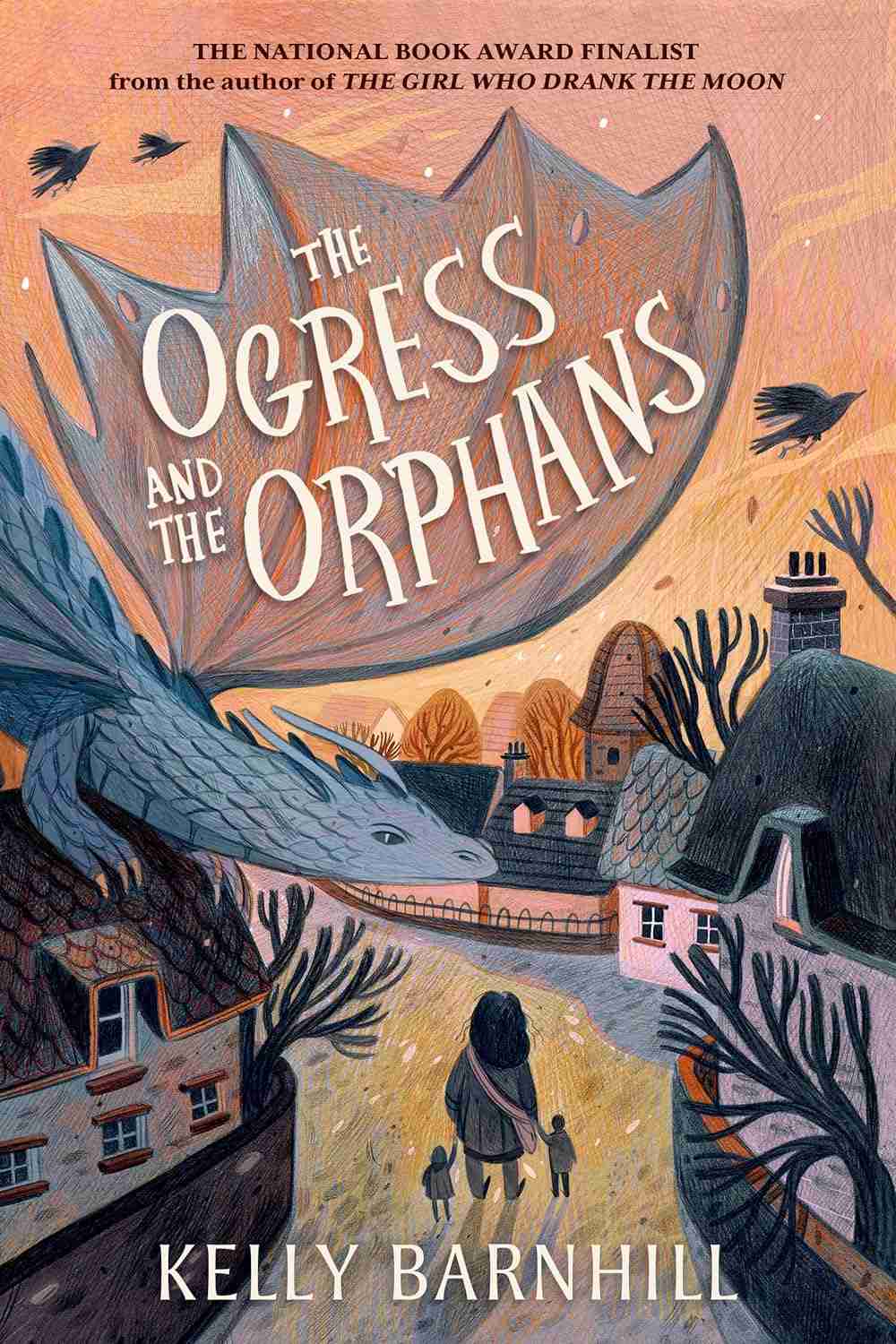
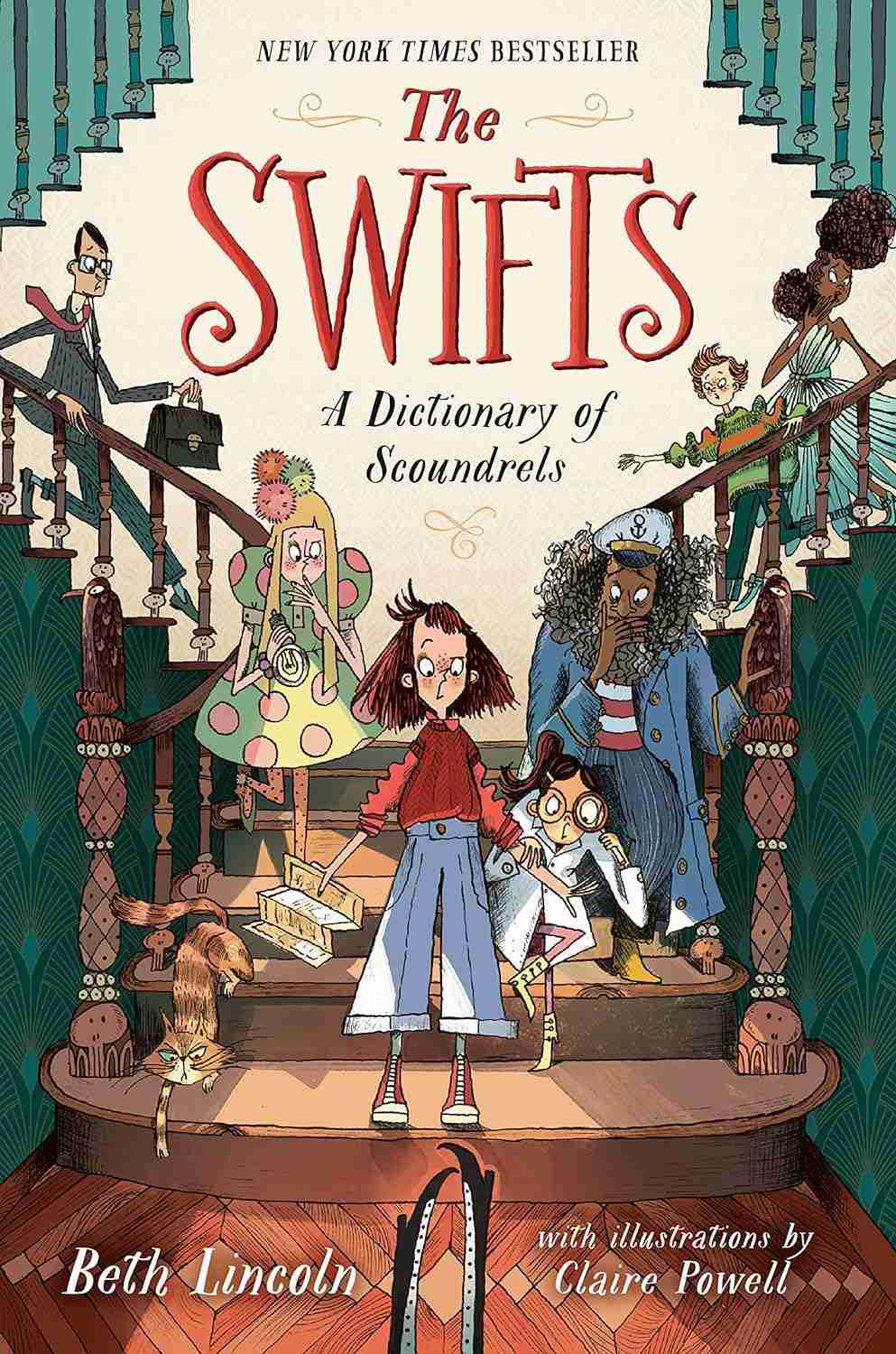
Every single day, no matter what else was going on, I read aloud to my class. Third grade, fourth grade, fifth grade, it didn’t matter. Even my strongest readers, the ones who could easily read the book on their own, got something out of hearing it read to them.
Here’s why that matters. When a kid reads independently, a huge amount of their brain power goes toward decoding the words. When I read aloud, all of that gets handed to me, and their brain is free to do the harder work: picturing the scene, tracking how a character is feeling, noticing when something funny or unfair or sad is happening. That’s comprehension work, and it’s happening whether or not a kid can technically read the words on the page yet.
The book choice matters too. I wasn’t picking books because they were popular or because they matched a reading level. I was picking books with a strong hook in the first few pages, a read-aloud rhythm that worked out loud (some books are written beautifully but fall flat when spoken), and a reason to stop mid-chapter and make my class wait until tomorrow. That last part is not a small thing. A cliffhanger is one of the most underused tools in a reading classroom.
Then Move to Speaking
I had a student years ago who would not read out loud. If I called on him during a read-around-the-circle, he’d freeze and stare at the page until I moved on to someone else. That same kid, a few months later, was arguing with his classmates over who got the biggest speaking part in a class performance.
Nothing about that kid changed. What changed was what I was asking him to do.
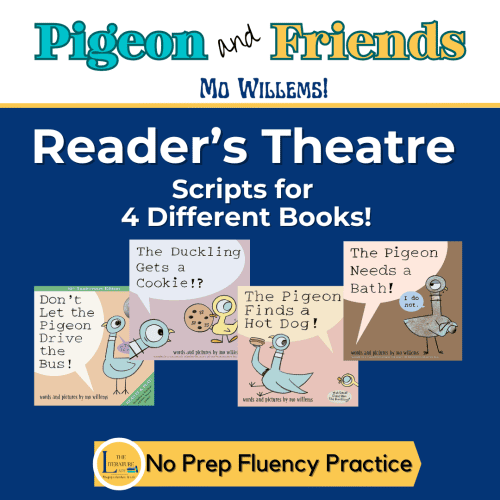
Round-robin reading puts a child on the spot in front of their peers with zero preparation and zero room to make it their own. (I never, ever call on a child to read without permission from the student.) Reader’s Theater flips that completely. Kids get a script ahead of time. They know their lines are coming. They get to add voice, expression, maybe even a little drama, and suddenly reading out loud isn’t a test of whether they can sound out the words correctly in front of an audience. It’s a performance they get to own.
Fluency grows fastest when kids get to practice reading the same lines over and over with a real purpose behind it. A performance gives them that purpose. A cold read in front of the class does not.
Build Real Comprehension, Not Worksheet Comprehension
A stack of comprehension worksheets can tell you whether a kid remembers a fact from chapter three. It cannot tell you whether they understood the book.
When I ran a novel study, I built my questions to push past recall. Instead of asking what happened, I asked why a character made the choice they made, what they would have done differently, or how they’d feel if they were in that situation. Those questions don’t have one right answer pulled straight from the page, which means kids actually have to think, and they have to be ready to defend what they think out loud or in writing.
Pacing matters here too. I never assigned an entire novel and hoped for the best. I broke it into chunks, checked understanding along the way, and mixed in whole-class reading, partner reading, and independent reading so kids weren’t stuck doing the same thing for six weeks straight. A novel study should feel like a shared experience the class is moving through together, not a solo assignment with a due date.
Make Vocabulary Something Kids Actually Want to Do
Handing a kid a list of ten words and telling them to memorize the definitions for Friday’s quiz is one of the least effective ways to build vocabulary, and most classrooms still do exactly that.
Kids remember words when they encounter them more than once, in more than one context, ideally while they’re having a little bit of fun. I built vocabulary time around games instead of lists. A simple one you can try tomorrow: pull five or six words from whatever book you’re reading aloud, and have kids act out, draw, or give a silly example of each one instead of writing a definition. The words stick because the kids did something with them, not because they copied a sentence off the board.
Why This Combination Works
None of these four pieces does much on its own. Read alouds without discussion are just entertainment. Reader’s Theater without strong book choices falls flat. Comprehension questions without real vocabulary understanding leave gaps. But put listening, speaking, comprehension, and vocabulary together, running every single week, and reading time stops feeling like a subject kids have to get through. It becomes the part of the day they don’t want to skip.
That’s genuinely what happened in my classroom for thirty years, and it’s the reason parents kept asking to get their kids in.
Love the idea but don’t have the time to create it?
I’ve got you.
If building all four of these pieces into your own classroom or homeschool from scratch sounds like a lot, I get it. It took me three decades to figure out. That’s exactly why I put the whole system- read-alouds mapped by month, ready-to-go Reader’s Theater scripts, full novel studies, and vocabulary games included, into My Reading Classroom, so you can start using it this week instead of building it over the next thirty years. You can take a look here: My Reading Classroom link.
💙 Kim